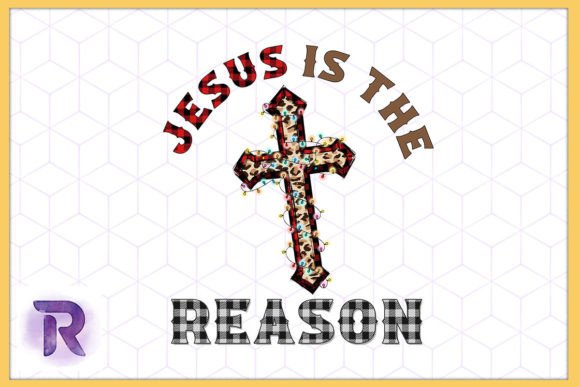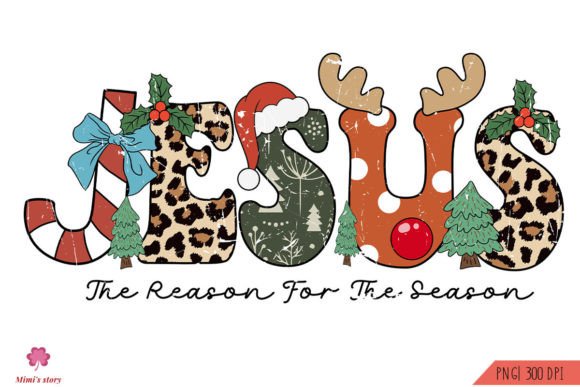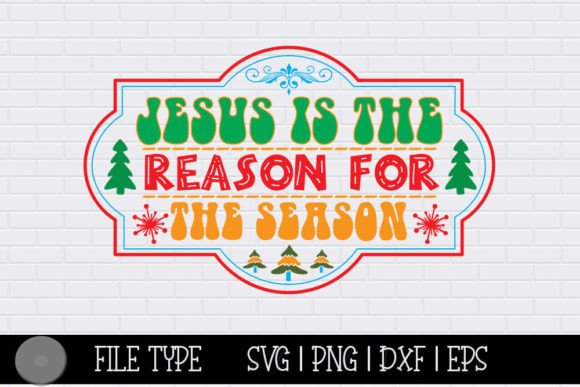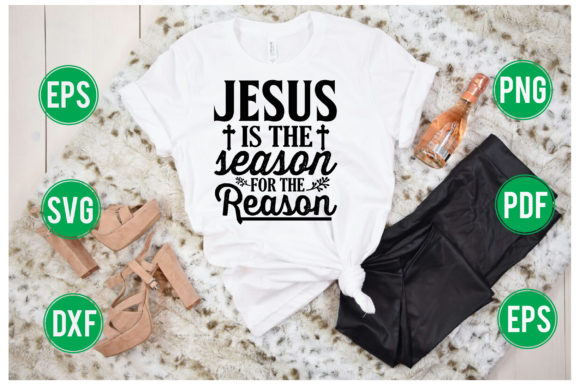
JESUS is the REASON for the REASON
When I first opened the embroidery file for JESUS is the REASON for the REASON, I immediately recognized its potential for holiday and faith-based projects. The design carries a clear, heartfelt message that feels both traditional and timely. As someone who has tested hundreds of machine embroidery designs for real product use, I know that faith-themed designs need to balance visual clarity with emotional weight. This one does that well. The layout is straightforward, the lettering feels intentional, and the overall composition leaves room for customization without feeling crowded. It belongs naturally in the Crafts category, but its real value shows up in finished products meant to be worn, gifted, or displayed.
First Look and Visual Personality
The design creates a calm, reverent mood. It does not rely on heavy ornamentation or busy borders. Instead, the words carry the message, and the stitching supports that focus. The shape is balanced, with a natural center point that draws the eye toward the core phrase. This makes it ideal for projects where you want the message to be seen immediately. Whether you stitch it on a tote bag for a church fundraiser or on a sweatshirt for a holiday market, the design holds its presence. It feels grounded, not flashy. That is a strong quality for a machine embroidery design intended for both personal and commercial use.
The detail level is moderate. The lettering is clear enough to read at a glance but has enough stitch structure to feel substantial when touched. This matters for handmade products where customers expect the embroidery to look crisp and last through wear. I would place this design in the category of reliable, everyday faith embroidery. It is not overly delicate, which means it can handle repeated washing and regular use. That alone makes it a smart choice for small shop products and custom apparel lines.
Real-Life Embroidery Performance
I tested JESUS is the REASON for the REASON on a medium-weight cotton sweatshirt first. The stitch density felt appropriate. The design stitched out without puckering, and the lettering held its shape even around the curve of the shoulder area. I used a tear-away stabilizer on the back, and the fabric stayed flat throughout the run. For a sweatshirt embroidery project, this is exactly the kind of performance you want. The design did not shift, and the thread coverage was even.
Next, I stitched it onto a canvas tote bag. This is often a tougher test because thicker fabric can cause registration issues if the embroidery file is not well-digitized. The design handled it well. The satin stitch areas in the lettering had a clean edge, and the fill stitch sections felt solid without being too stiff. For a tote bag design meant to carry weight and see daily use, this design holds up. I would feel confident selling a finished product like that at a craft fair or in an Etsy shop.
I also tried it on a baby onesie. This is where caution is needed. The design is not extremely small, so a hoop size of at least 4x4 or larger is advisable. On a tiny garment, you want to make sure the design fits proportionally. Stitched properly, it becomes a meaningful baby embroidery piece that parents value as a keepsake. For personalized gifts like baptism outfits or holiday onesies, this design has strong potential.
Where the Design Shines
This design works best on flat or gently curved surfaces. I recommend it for:
- Custom apparel like sweatshirts, t-shirts, and hoodies
- Tote bags for church groups, gift shops, or boutique merchandise
- Pillow covers and home decor items with a faith theme
- Embroidered patches that can be applied to jackets, bags, or hats
- Holiday gifts for family, friends, or church community members
- Small business merchandise for Etsy sellers and craft fair vendors
- Printable mockups for digital product previews and design assets
The visual personality of JESUS is the REASON for the REASON fits equally well in a handmade product sold at a local market and in a larger production run for a faith-based apparel line. It communicates clearly, which builds customer trust and reinforces the message behind the product.
Where to Use Caution
No design works everywhere, and being honest about limitations helps avoid wasted materials and disappointed customers. I would be careful using this design on:
- Very small hoop sizes under 4x4. The lettering needs room to breathe, and crowding the design into a tiny space reduces clarity.
- Stretchy fabrics like lightweight knits without a firm stabilizer. The stitch density can cause distortion if the fabric shifts.
- Thin or delicate fabrics where dense stitching might show through or cause puckering. Always test on a scrap piece first.
- Curved surfaces like caps or fitted hats. The design is not shaped for a curved layout, and forcing it onto a cap could distort the lettering.
- Dark fabrics without sufficient thread contrast. The design relies on legibility, so test thread colors against the background before committing to a full run.
For commercial embroidery projects, especially in larger quantities, I recommend doing a test stitch on the exact fabric you plan to use. Check the thread color visibility, inspect the stitch density in the tighter areas, and confirm that the hoop size you have is compatible with the file. If you are a digital product seller, make sure your customers know these details too. It saves them frustration and protects your reputation as a reliable designer.
Visual Appeal and Customer Value
From a buyer perspective, JESUS is the REASON for the REASON communicates sincerity. Customers looking for faith-based handmade products want designs that feel authentic, not generic. This design avoids that problem. It has a crafted look that suggests care went into both the digitizing and the finished product. That perception adds value. When a customer sees a well-stitched design on a personalized gift, they are more likely to trust the seller and return for future purchases.
The design also supports brand consistency. If you run a small shop that focuses on faith-inspired merchandise, this design aligns with a clean, message-first aesthetic. It works in both holiday embroidery contexts and year-round product lines. The same design can appear on a Christmas gift and a birthday present without feeling out of place. That flexibility is useful for Etsy sellers and creative entrepreneurs who want to minimize SKU variety while maximizing visual impact.
For apparel decorators producing larger orders, the design's moderate detail level means it runs efficiently. You are not wasting thread on unnecessary fills or struggling with running stitch segments that break mid-production. It behaves predictably, which is exactly what you want when you have a batch of twenty or fifty items to finish by a deadline.
Practical Designer Notes
Before you use this design for any project, take a few steps to confirm it will perform as expected. These are the same steps I take with every new embroidery file I evaluate:
- Test the design on scrap fabric that matches your final product. Do not assume it will stitch the same on every material.
- Check thread color contrast against the fabric. Light thread on light fabric or dark thread on dark fabric reduces legibility.
- Review the stitch density report if available. If not, run a test and look for areas where the fabric might be pulling or distorting.
- Confirm your hoop size matches the design dimensions. Forcing a design into a smaller hoop than recommended risks poor registration.
- Inspect small details, especially in the lettering. Make sure the satin stitch borders are clean and the fill stitch areas are even.
- Test the design in black and white mockups first. This helps you see the shape and balance without the distraction of color.
- Compare how the design looks on light and dark fabric backgrounds. Some designs lose their impact on certain base colors.
- Use proper stabilizer for the fabric type. Tear-away works for stable fabrics, but cut-away may be needed for knits or stretchy materials.
- Confirm licensing terms before selling finished items or digital products. If you are a digital product seller, clarity on usage rights protects your business.
These steps are not just for beginners. I follow them on every design, whether it is for a one-off personalized gift or a bulk commercial embroidery order. Skipping the test run is the fastest way to discover a problem halfway through a project.
Final Thoughts on Usability
JESUS is the REASON for the REASON is a thoughtful, well-structured machine embroidery design that serves both personal and commercial purposes. It does not overreach. It does what a faith-themed design should do: communicate clearly, stitch reliably, and leave room for the maker to add their own touch. Whether you are preparing a batch of holiday gifts, building inventory for a craft business, or creating a one-of-a-kind keepsake for a family member, this design is a solid choice.
The best compliment I can give it is that I would use it in my own shop. It fits the kind of finished product that customers value and remember. That is the mark of a design that works in the real world, not just in a preview window. If you are an Etsy seller, a small shop product designer, or a hobbyist looking to expand your embroidery project portfolio, this one deserves a spot in your file collection.
Test it, trust the process, and let the message speak for itself. That is what good embroidery does.