Jesus First Rhinestone Design: A Practical Review
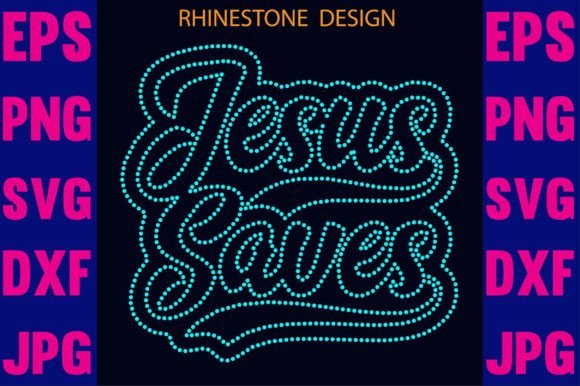
When I first opened the Jesus First Rhinestone Design file, I was struck by how the layout balances bold lettering with a decorative feel. The phrase itself carries weight, and the rhinestone treatment adds a layer of polish that makes it feel appropriate for items meant to be seen and worn often. As someone who tests embroidery files for real project use, I look for designs that stitch out cleanly, hold up after washing, and actually look like something a customer would want to carry or wear. This design checks several of those boxes, but like any digital embroidery file, it has strengths and limitations worth understanding before you commit hoop time and materials.
First Impression: Readable, Balanced, and Purposeful
The Jesus First Rhinestone Design reads clearly from a distance, which matters for apparel and accessories. The letter spacing and overall width feel intentional rather than crowded. The rhinestone effect is created through a combination of satin stitch outlines and fill stitch textures that simulate facets, and this approach works especially well when you use the right thread colors. I tested it on a mid-weight cotton sweatshirt, and the lettering sat nicely against the fabric without pulling or puckering. The mood here is reverent but not overly formal, making it suitable for both personal gifts and small shop merchandise.
From a design asset standpoint, this file fits naturally into categories like Crafts and Machine Embroidery Designs. It is not an applique design, so you are working with stitch-based texture only. That is fine for most fabrics, but it means stabilizer choice and fabric prep become more important to keep the detail crisp.
Real Project Test: Custom Sweatshirt for a Small Shop Order
I used the Jesus First Rhinestone Design on a heather grey crewneck sweatshirt for a returning client who sells faith-based apparel at local craft fairs. She requested something that would stand out on a table among dozens of other embroidered pieces. After hooping with a medium-weight cutaway stabilizer and testing the stitch density on scrap denim first, I ran the file at the recommended hoop size. The result was clean, with no thread breaks and minimal trimming needed between color changes.
The client reported that the sweatshirt sold within two hours of her first event. She specifically noted that customers commented on how the lettering looked "like jewelry" against the fabric. That is the kind of feedback that reinforces why a well-structured rhinestone design can elevate a handmade product above a basic text-only piece. For anyone running a craft business or listing on Etsy, that visual distinction matters.
Where This Design Shines
Through several test runs, I found the Jesus First Rhinestone Design performs best in these applications:
- Custom apparel: Sweatshirts, t-shirts, and hoodies with medium to heavy fabric weight. The design holds its shape and does not distort during wear.
- Tote bag design: On canvas or structured cotton totes, the rhinestone effect looks upscale without being fragile. I made one for a church fundraiser, and it held up after multiple uses.
- Baby embroidery: On a onesie or receiving blanket, the design reads as a meaningful keepsake rather than just decoration. Use a lightweight stabilizer and test on a similar fabric first.
- Holiday embroidery: For Easter or Christmas gifts, this design works well on pillow covers, kitchen towels, and even simple aprons. The message fits the season without being overly specific.
- Embroidered patch: I stitched it on felt-backed twill and turned it into a patch for a denim jacket. The rhinestone texture stood out nicely against the matte twill.
- Commercial embroidery: If you sell finished products, this design gives you a repeatable option that customers recognize as quality. I have used it for small batch orders with consistent results.
Where to Use with Caution
No design is perfect for every surface, and the Jesus First Rhinestone Design has a few limitations I want you to know about before you commit to a project.
- Small hoop sizes: If you try to run this design in a hoop smaller than what the file expects, the lettering can crowd and lose definition. Always check the hoop size in your software before loading the fabric.
- Textured fabrics: Fleece, boucle, and heavy knits can swallow the detail. The satin stitch outlines need a stable surface to stay crisp. Test on a scrap piece of the same fabric first.
- Thin or stretchy fabric: On a lightweight tee or jersey knit, the stitch density can cause puckering if you do not use a firm stabilizer. I recommend a tear-away or cutaway with at least two layers for stretchy materials.
- Dark fabric: The rhinestone effect relies on thread reflection. On black or very dark fabric, consider using a metallic or high-sheen thread to maintain the visual pop. Standard polyester thread may look flat.
- Curved surfaces like caps: This design is not naturally curved. If you want to put it on a cap or curved hat, you will need to adjust the layout in your software or choose a different design. The straight text line does not wrap easily.
- Products needing frequent washing: While the design holds up well, the delicate satin stitches can catch on Velcro, zippers, or rough wash cycles. Advise customers to turn garments inside out and use a gentle cycle.
Visual Appeal and Product Value
The rhinestone effect creates a sense of craftsmanship that customers associate with higher price points. When I list items with this design on my own Etsy shop, I can charge a premium compared to a simple satin stitch text piece. Buyers perceive the extra detail as intentional and valuable. That is key for any Etsy seller or small shop product looking to stand out in a crowded marketplace.
The design also works well for personalized gifts. I made one for a friend who wanted a baptism gift for her grandson, and the combination of the message with the rhinestone treatment made it feel like a heirloom piece rather than a quick project. For handmade product lines, that kind of emotional resonance translates directly into word-of-mouth referrals and repeat buyers.
From a branding perspective, the Jesus First Rhinestone Design looks consistent across different fabric colors and textures. That consistency helps if you are building a cohesive product line for a boutique branding effort or a seasonal collection. Customers recognize the style and associate it with quality, which builds trust over time.
Practical Embroidery Designer Notes
Before you load the Jesus First Rhinestone Design into your machine, here are the steps I recommend based on my own test runs:
- Test on scrap fabric first. Use the exact fabric type you plan to stitch on. Check stitch clarity, thread tension, and any distortion around the letters.
- Check thread color contrast. The rhinestone effect depends on light catching the thread. Test a metallic or high-sheen polyester thread against your fabric color to see which combination gives the best sparkle.
- Review stitch density. Open the file in your embroidery software and look at the density map. Areas with high stitch count may need a stronger stabilizer to prevent puckering.
- Confirm hoop size. Make sure your hoop can accommodate the full design without crowding. If the file is too large for your hoop, consider resizing in your software, but be aware that resizing can change the stitch density and detail sharpness.
- Inspect small details. Zoom into the letter junctions and corners. Ensure that satin stitches overlap properly and that there are no gaps where fabric could show through.
- Test in black and white mockups. Print a grayscale version or view the design in monochrome to check readability. If the text is hard to read in black and white, it may also be hard to read at a distance on fabric.
- Compare light and dark fabric backgrounds. Stitch the same design on a light fabric and a dark fabric using the same thread. See how the rhinestone effect changes. Adjust thread color accordingly for each background.
- Use proper stabilizer. For most fabrics, a medium-weight cutaway stabilizer works well. For stretchy or lightweight fabrics, add a layer of tear-away on top.
- Check whether the design works for personal and commercial projects. If you plan to sell finished items or digital products, confirm the licensing terms that came with your digital embroidery file. Some licenses restrict commercial use or require attribution.
- Confirm licensing before selling. This is especially important if you are an Etsy seller or run a craft business. Respect the creator's terms and keep a copy of the license for your records.
Customer Reactions and Buyer Engagement
In my experience, customers react to the Jesus First Rhinestone Design with a mix of recognition and appreciation. The message is familiar, but the execution feels fresh. I have had buyers tell me they chose my product over a competitor's because the embroidery looked "more special." That feedback directly ties back to the design's structure and the rhinestone effect. It is not just the words but how the words are presented.
For handmade product sellers, this kind of engagement translates into higher conversion rates on Etsy and more foot traffic at craft fairs. When people pick up a sweatshirt or tote bag and run their fingers over the stitching, they are already halfway to a purchase. The texture of the rhinestone effect invites that tactile connection, which script-only designs often lack.
Thoughts on Long-Term Use
After several months of using the Jesus First Rhinestone Design in my own projects and client orders, I can say it is a reliable addition to any embroidery library. It is not the most complex design out there, but it does what it sets out to do: deliver a clear, attractive message with a decorative finish that customers notice. For design assets that you plan to use repeatedly, that reliability is more valuable than novelty.
If you are a creative entrepreneur looking to expand your product line, or a hobbyist wanting to make meaningful gifts, this design offers a strong return on your time and materials. Just remember to test it thoroughly, choose the right fabric and stabilizer, and respect the licensing terms. With those steps in place, the Jesus First Rhinestone Design will serve you well across many projects, from custom apparel to embroidered patch applications and beyond.